|
Many Workmate fans have a general idea of which 79-001's are easiest and hardest to find these days, but so far no one has quantified this. After more than three years of collecting data about 79-001's provided to me from their owners or listed for sale around the U.S. and Canada on the usual sites, I'm confident enough to give some estimates. The following is based on detailed observations I have collected on about 700 Workmate 79-001's, supplemented with casual browsing of a couple thousand more.
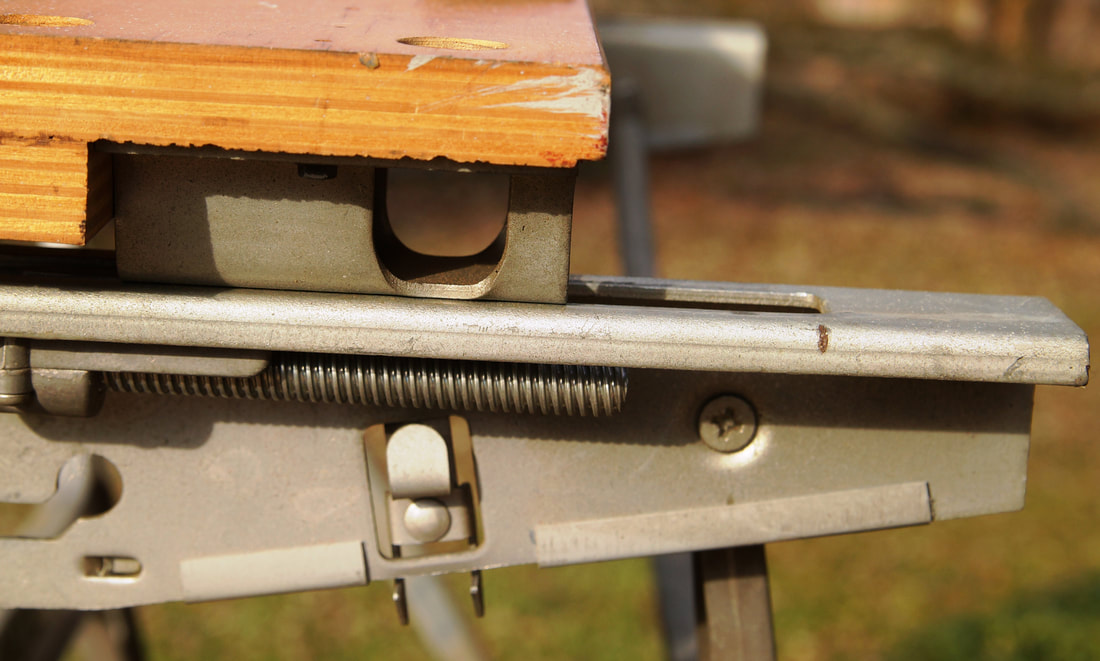
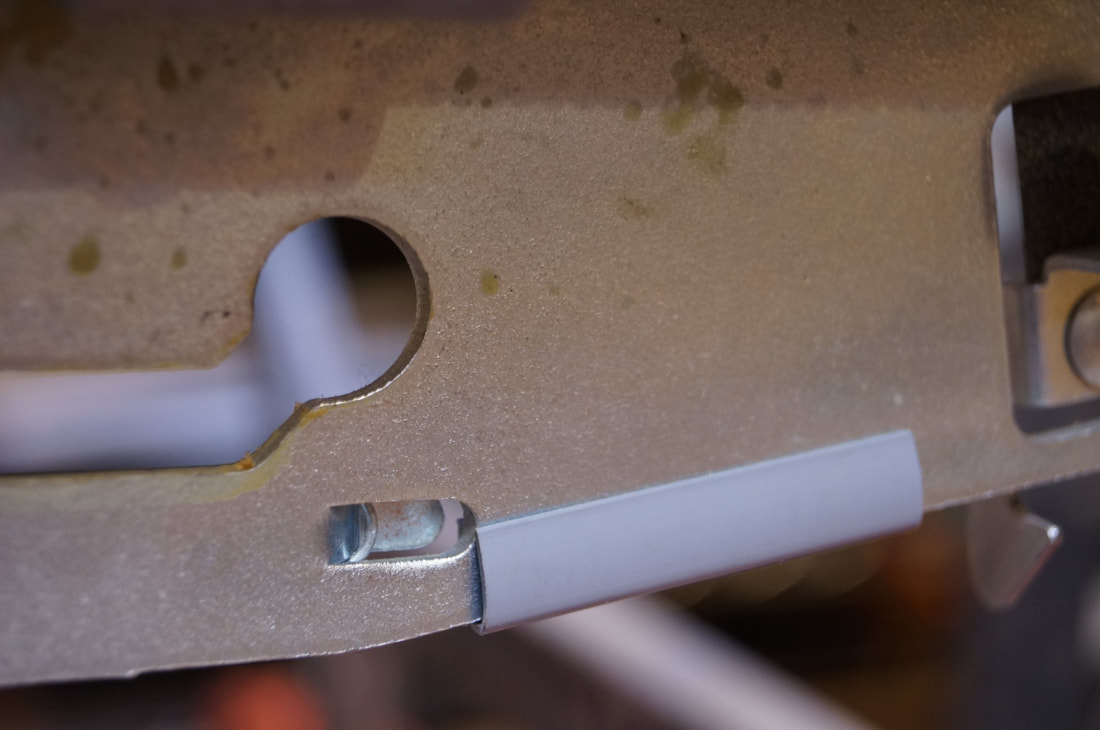
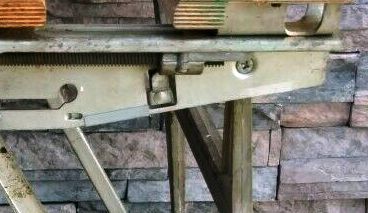
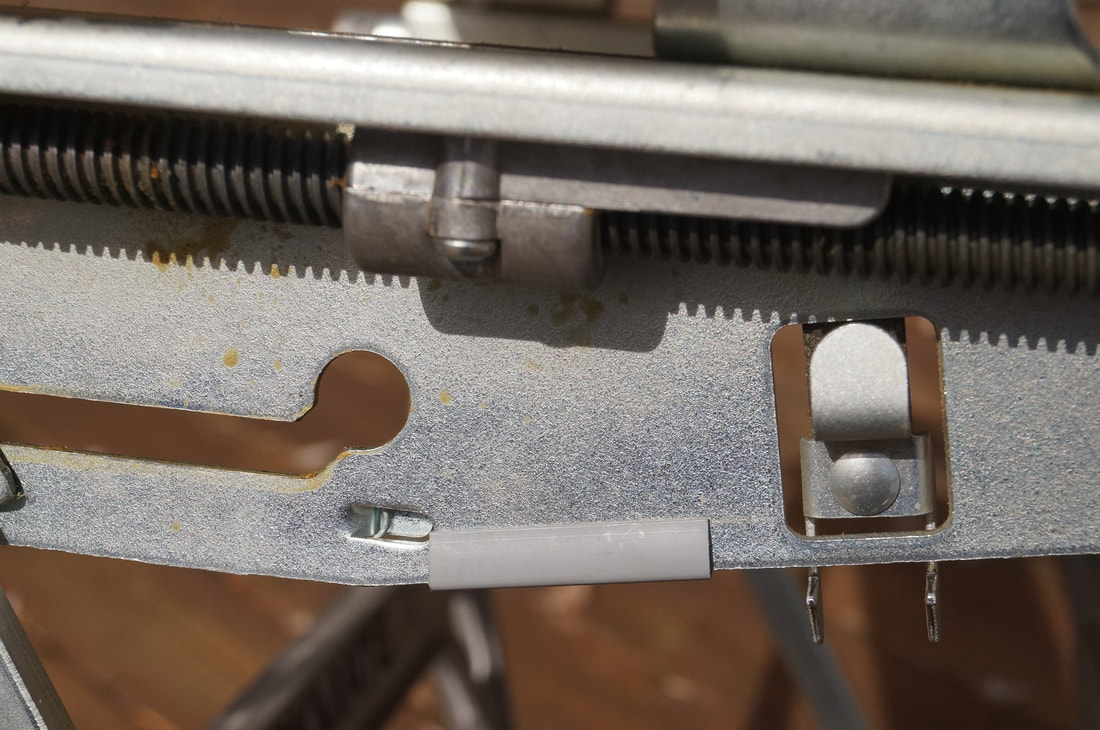
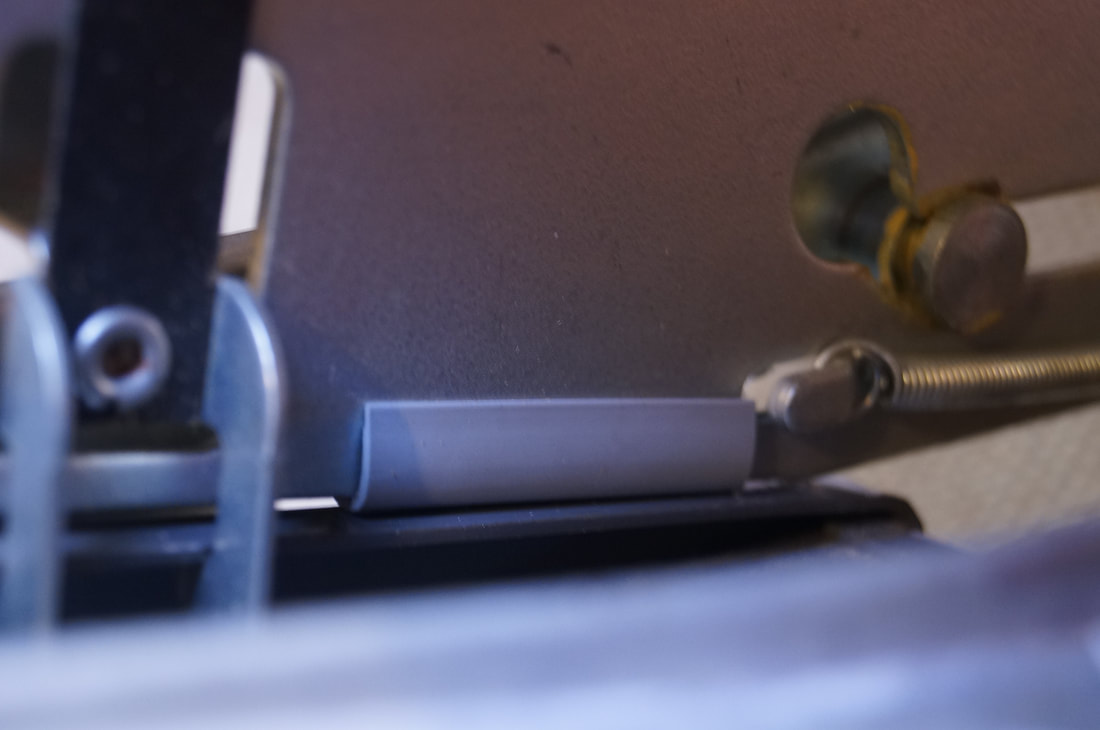
Although I'm giving you specific percentages here, realize that these are rough estimates, with an unknown standard error, so feel free to expand them to sensible percentage ranges if you wish. The Type 2 is far and away the most common 79-001, accounting for very roughly 43% of those found today. This makes sense because it had the longest production period of all the Types, from May 1975 to June 1977. Second most common is the Type 4, at very roughly 21% of all 79-001's. The Type 2 and Type 4 together comprise almost 2/3 of the 79-001's I have found. Next most common, vying for third, fourth, and fifth places, are the Type 6, Type 7, and Type 8, at about 8 to 10% each. That means the five most common Types—Type 2, Type 4, Type 6, Type 7, and Type 8—make up about 90% of the ten Types of the 79-001. That leaves the other five Types as rare ones. Almost half of those are Type 1's, putting it in sixth place at perhaps 4% of the overall numbers. Three more compete for seventh, eighth, and ninth places at about 2% each. One of these is the rarest Type manufactured in North America, the 79-001 Type 9. The other two were made in England and Ireland—the Type E and the Type 3 respectively. That brings us to tenth place, but wait—if you've been keeping track, you realize that the estimates I present above have already totaled 100%. My rough estimate is that there are so few of the made-in-Ireland 79-001 Type 5 out there that it would barely be the rounding error on estimates of the other Types. I'll just call it less than .5% of the overall quantity, and I actually doubt it is more than .25%. In years of looking, I have found just four 79-001 Type 5's, and I currently own two of them! What's the most obscure feature of the Workmate 79-001? A leading contender would be the "scratch guards" that can be found only on the Type 2. The scratch guards are found on the lower edge of the upper frame pieces on each side that hold the vise screw assemblies. They are about 3/8" wide, made of a soft gray plastic. They slip over the edge of the frame, held only by the springiness of the plastic. Four were installed on each Workmate, two per side. The one closer to the front is up to 1-3/4" long while the one toward the rear can be over 3". They come off pretty easily, so many of them have since fallen off and been lost. Until I wrote about them, I never heard a single owner mention them, so I think owners never noticed them or thought much about them. I would estimate that up to one in four Type 2's still has one or more scratch guards. If a guard stayed on the frame for a long time before being lost, a ghost image remains, where the finish of the frame is visibly lighter.
There is no official explanation of what the guards are for. Black & Decker never mentioned them in the instruction manuals, and they never appeared on the part diagrams. However, it isn't hard to deduce their likely function. The 79-001 Type 2 was the first North American Workmate to have some painted parts in the frame. When folded for storage, the upper and lower frames contact each other slightly along about eight inches of their length, right where these guards are located. In my spreadsheet, the earliest Type 2 with a painted lower frame is also the first one to have scratch guards. A logical conclusion is that Black & Decker was worried about scratches to the paint from this contact, so they added the scratch guards for protection. It could be that the scratch guards were only intended for protection during shipping, so the customer's new Workmate didn't arrive with scratched or chipped paint. That would explain why they used something that falls off so easily in normal use, rather than a more permanent solution. I have documented Type 2 79-001's with scratch guards during a period of just over a year, from September 1975 to about November 1976. After using them for a while, the company decided they weren't worth the trouble and eliminated them. If you look carefully at this area of the upper and lower frame pieces on Workmates without scratch guards, you can often find marks from the contact. (Note: This blog entry was updated December 16, 2020 with new information and new photos.) |
 RSS Feed